
By José E. López, Executive Director, Puerto Rican Cultural Center
For those of us at the Puerto Rican Cultural Center, 2025 was another year marked by intense activity—filled with programs, events, activism, celebrations, as well as losses, setbacks, and hard-won victories. While we take time to honor and savor our accomplishments, we also continue our long-standing practice of transforming disappointments into learning opportunities, as we have done across so many decades of struggle.
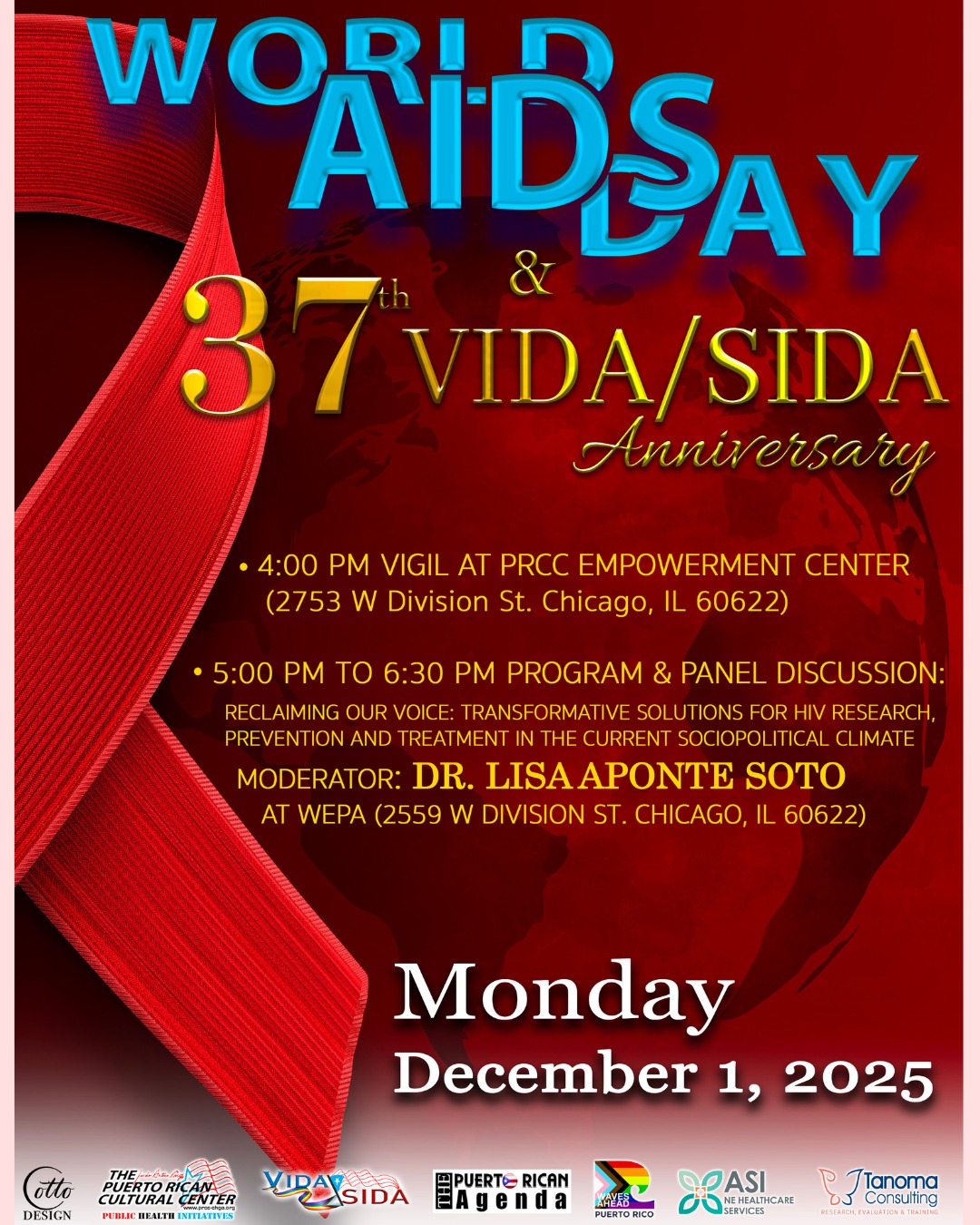
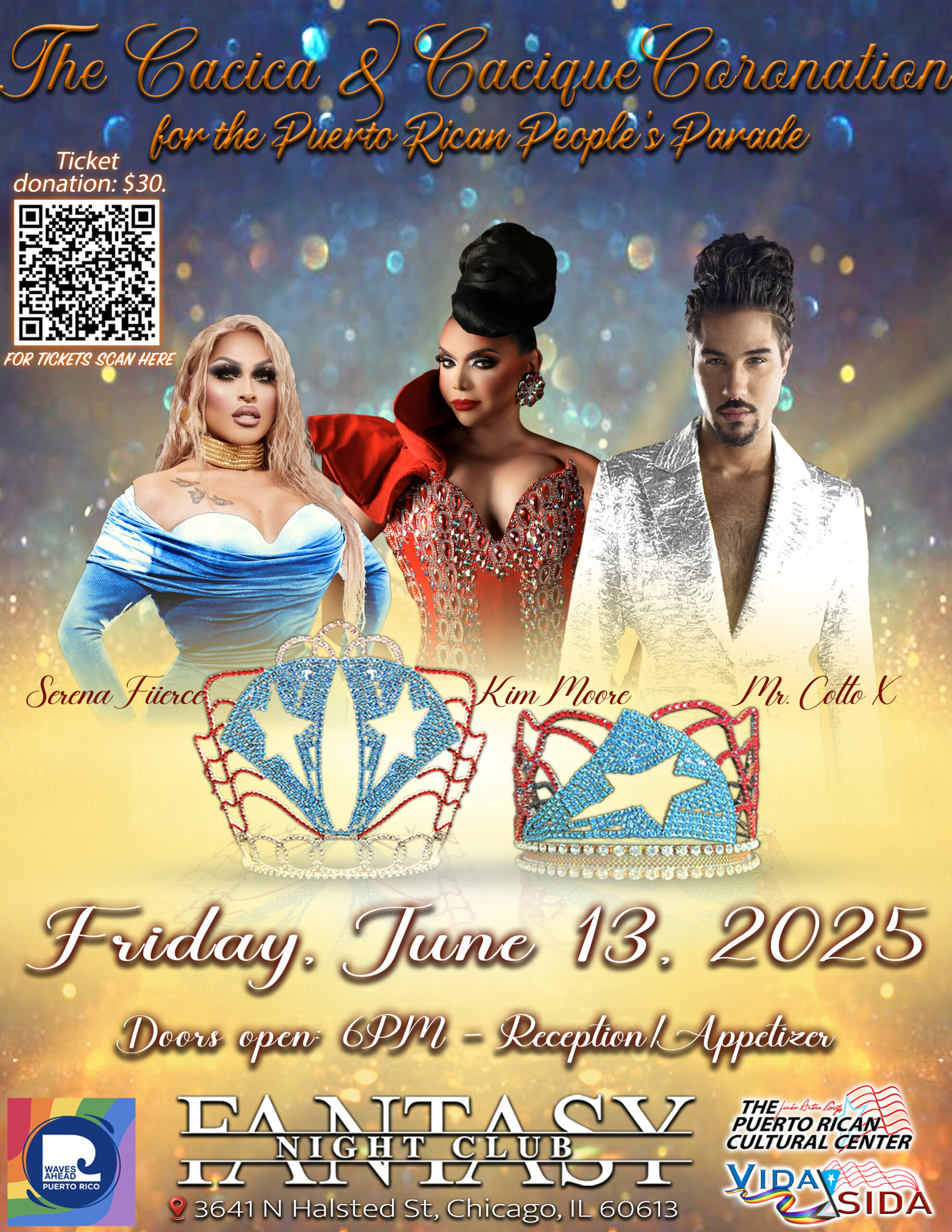
Confronted with new challenges ushered in by a shifting U.S. administration, we once again relied on our historical commitment to turning defeats into victories. Although our health and wellness initiatives—particularly those serving LGBTQ community members—were negatively impacted, we developed contingency plans to ensure continuity of care for our most vulnerable populations. Despite workforce challenges, we retained many staff members and reaffirmed our values through culturally rooted celebrations, including our unique cacique and cacica pageant and our traditional World AIDS Day events.
Even amid these pressures, many of our other programs experienced notable growth and generated visible impact. One such milestone was the 45th anniversary of Centro Infantil Consuelo Lee Corretjer. We commemorated its anniversary with a moving ballet performance of Chocolat that brought together parents, toddlers, youth, and alumni. This celebration served not only as a moment of pride, but also as a reminder of our journey—from operating a non-recognized early childcare center created to meet urgent community needs to building a state-of-the-art early childhood education initiative centered on Spanish language and cultural immersion.

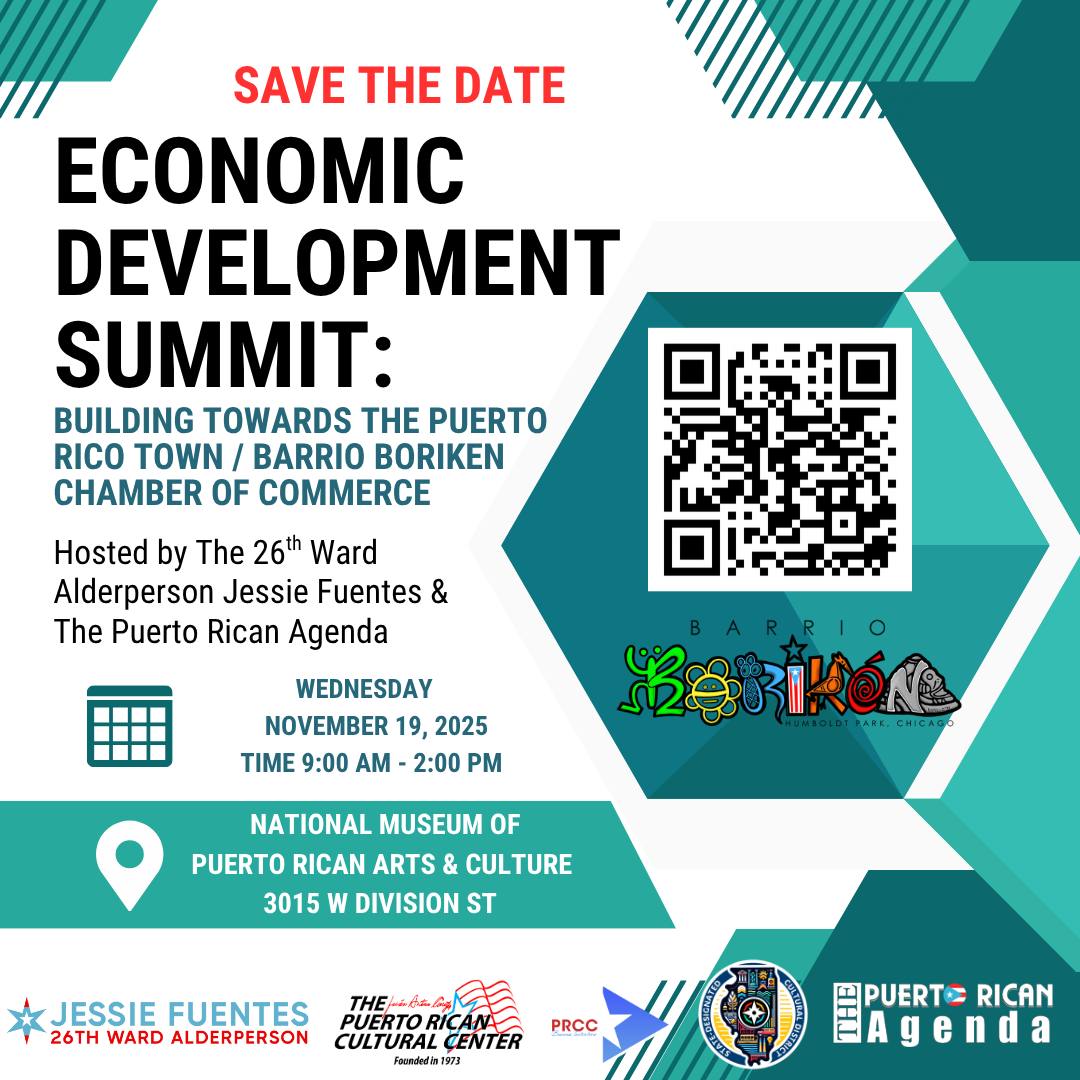

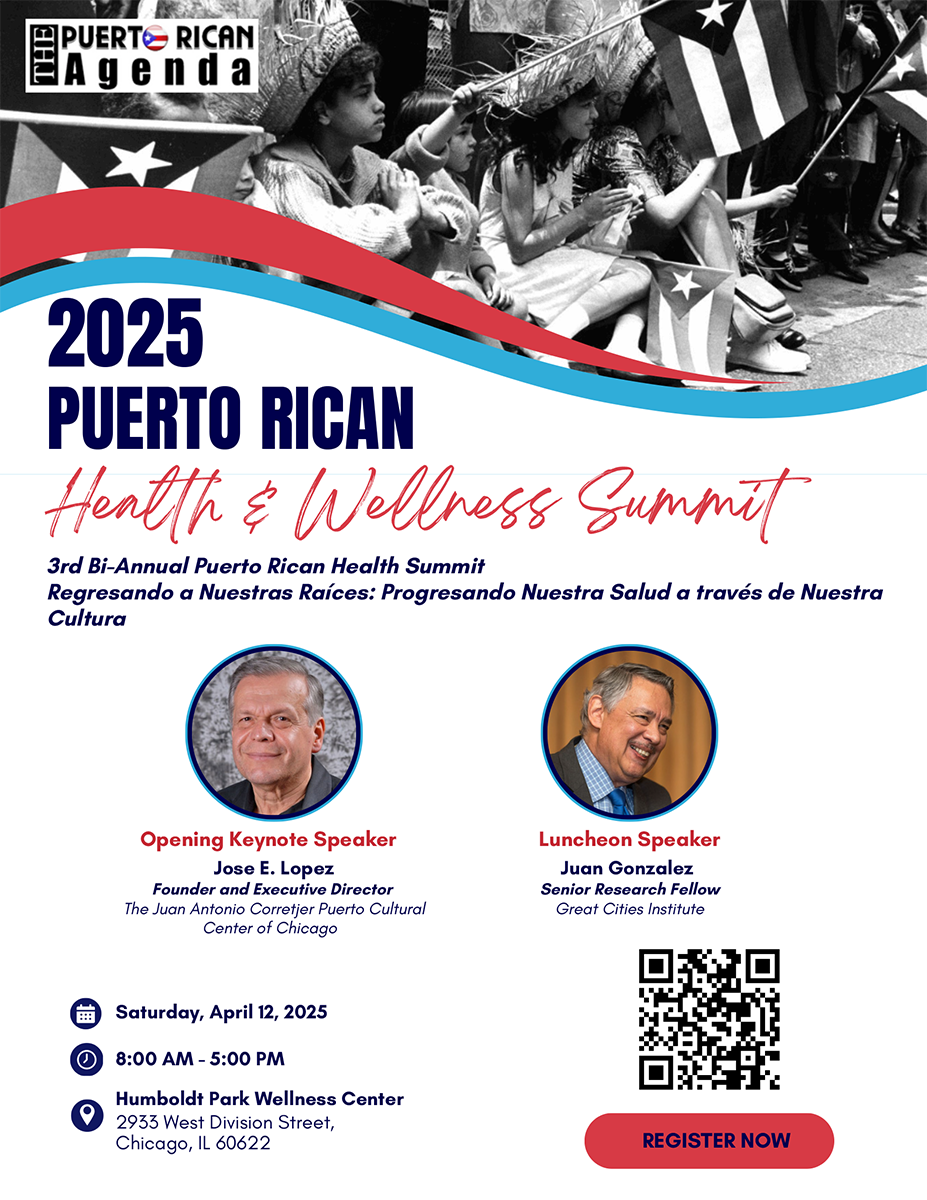


Our Economic Development initiative, including the Small Business Area, achieved major gains. For instance, it helped open six new businesses on Paseo Boricua. Two additional openings are planned for early 2026. These businesses received citywide visibility during Hispanic Heritage Month, with features across major television networks. In collaboration with the Economic Committee of the Puerto Rican Agenda, our economic initiative also convened a Barrio Borikén Economic Summit in hopes of establishing a Chamber of Commerce. The summit drew more than 80 participants, including over 50 small business owners. During this same period, our Public Health programming—while navigating programmatic shifts—partnered with the Health Committee of the Puerto Rican Agenda to spearhead a Health Summit that articulated a collective vision for the health and wellness pillar of Barrio Borikén.
Violence Prevention remained a cross-cutting priority throughout the year, with our programs actively integrated into all major community events, including Three Kings Day, the Puerto Rican Parade, Fiesta Boricua, and Haunted Paseo Boricua. This integration illustrates how our violence prevention is an organically driven, community-based practice rather than a standalone intervention. The breadth of this work was reflected in extensive media coverage, including features on WTTW and WGN. WGN, in particular, highlighted our Bandera Boxing program and its innovative integration of sports and culture as a response to historical and intergenerational trauma. In addition, the Violence Prevention Initiative sponsored two major food distribution events during Thanksgiving and Christmas, serving thousands of families in collaboration with local small businesses.
Education remained a cornerstone of our work through the Community as a Campus (CaaC) initiative. CaaC serves as the vehicle for the Barrio Borikén education pillar. Throughout the year, CaaC remained deeply engaged with 17 area schools, offering sports and extracurricular programming that has become a national model for grounded, community-led education. Building on this momentum, CaaC is currently exploring future funding opportunities with the National William Julius Wilson Foundation.
In the area of affordable housing, the PRCC served more than 50 families through access to affordable apartments, including the rehabilitation of a four-unit building completed with the active participation of youth from the PACHS YouthBuild program. The organization also acquired an additional property that will help guarantee housing opportunities for returning community members, further strengthening long-term neighborhood stability.
Our human services work further extended this commitment to safety and opportunity. Through the CPS-sponsored Safe Passage program, we maintained a strong adult community presence in and around local schools, employing nearly 50 community members to ensure schools remained safe and welcoming spaces for young people. Our Youth Employment Program also expanded significantly, adding offices in Melrose Park, Cicero, and Belmont-Cragin. At the same time, El Rescate Transitional Living Space continued to provide quality housing, educational, and employment services to unhoused youth—particularly LGBTQ youth within our community.
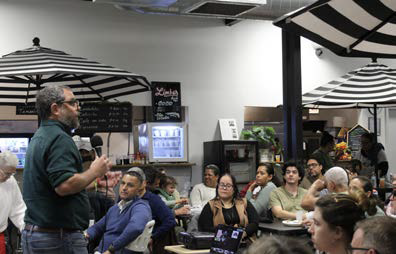
Grounding this work in memory and history, our archival initiative, Digitizing the Barrio, remained actively engaged throughout the year. The initiative included a presentation at the American Studies Conference in Puerto Rico, participation in an archival tour in Vieques, and the sponsoring of multiple community history events focused especially on resistance to the political repression of independentista activists in Chicago.

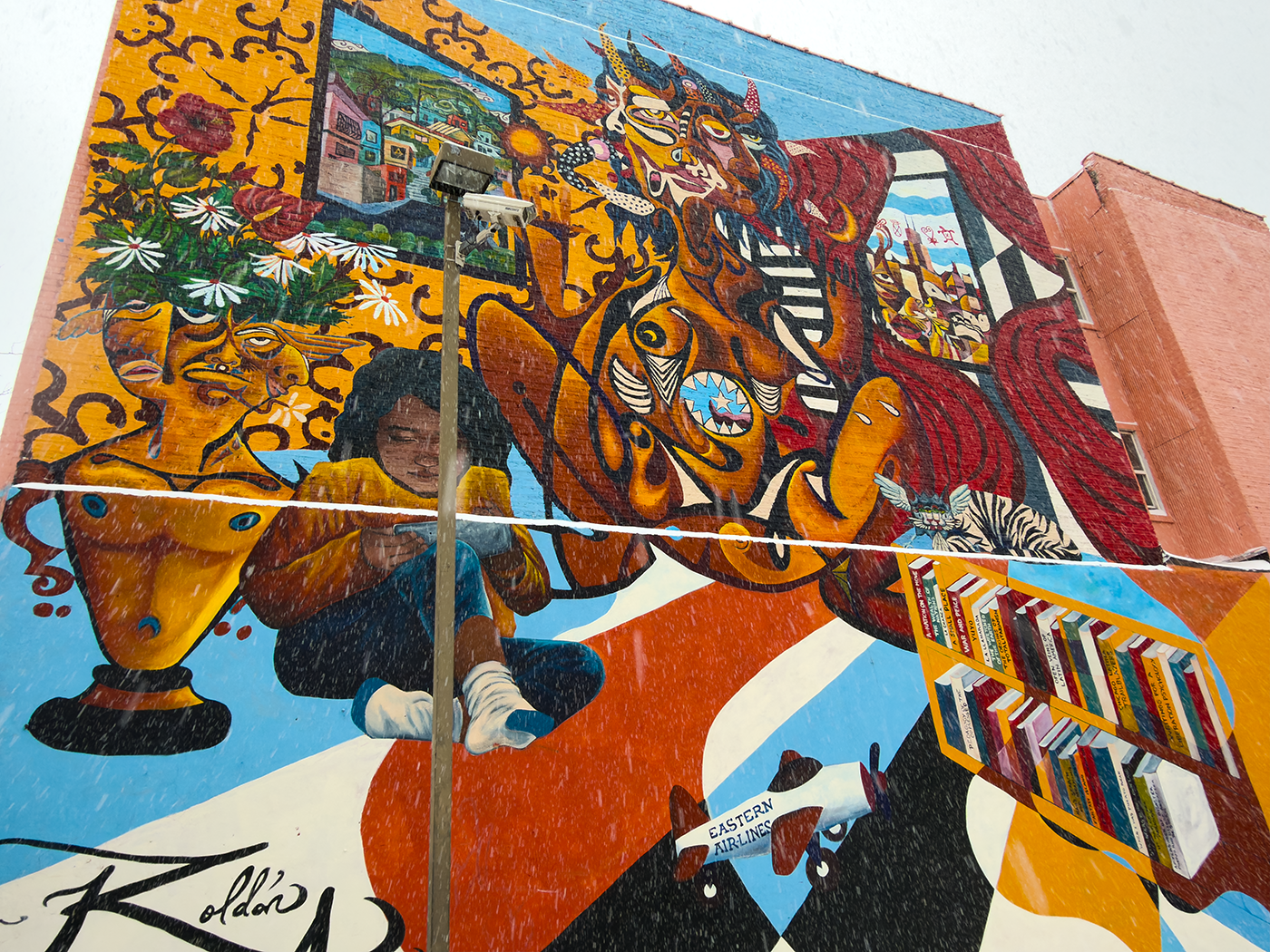




Taken together, these accomplishments advanced the four pillars of Barrio Borikén. Throughout this work, we have remained committed to integrating arts and culture as a unifying force. This commitment was powerfully expressed this year through the creation of a three-story mural at our rehabilitation site at 2724 W. Division. Created by our own Cristian Roldán, the mural stands as a testament to historical memory and collective resilience.
Our policy and advocacy work also made significant strides in ensuring that the self-determination and self-actualization of Puerto Rico and Puerto Ricans remain at the forefront of public discourse. In collaboration with our Senior Policy Advisor, Luis V. Gutiérrez, we helped organize a series of meetings in Washington, D.C., bringing together 13 members of Congress and Juan Dalmau, president of the Puerto Rican Independence Party. Beyond federal advocacy, we supported and promoted Puerto Rico-focused resolutions across multiple states, including Florida, Illinois, Missouri, and Minnesota. These resolutions opposed gentrification and the Financial Oversight and Management Board and advocated for food sovereignty in Puerto Rico.
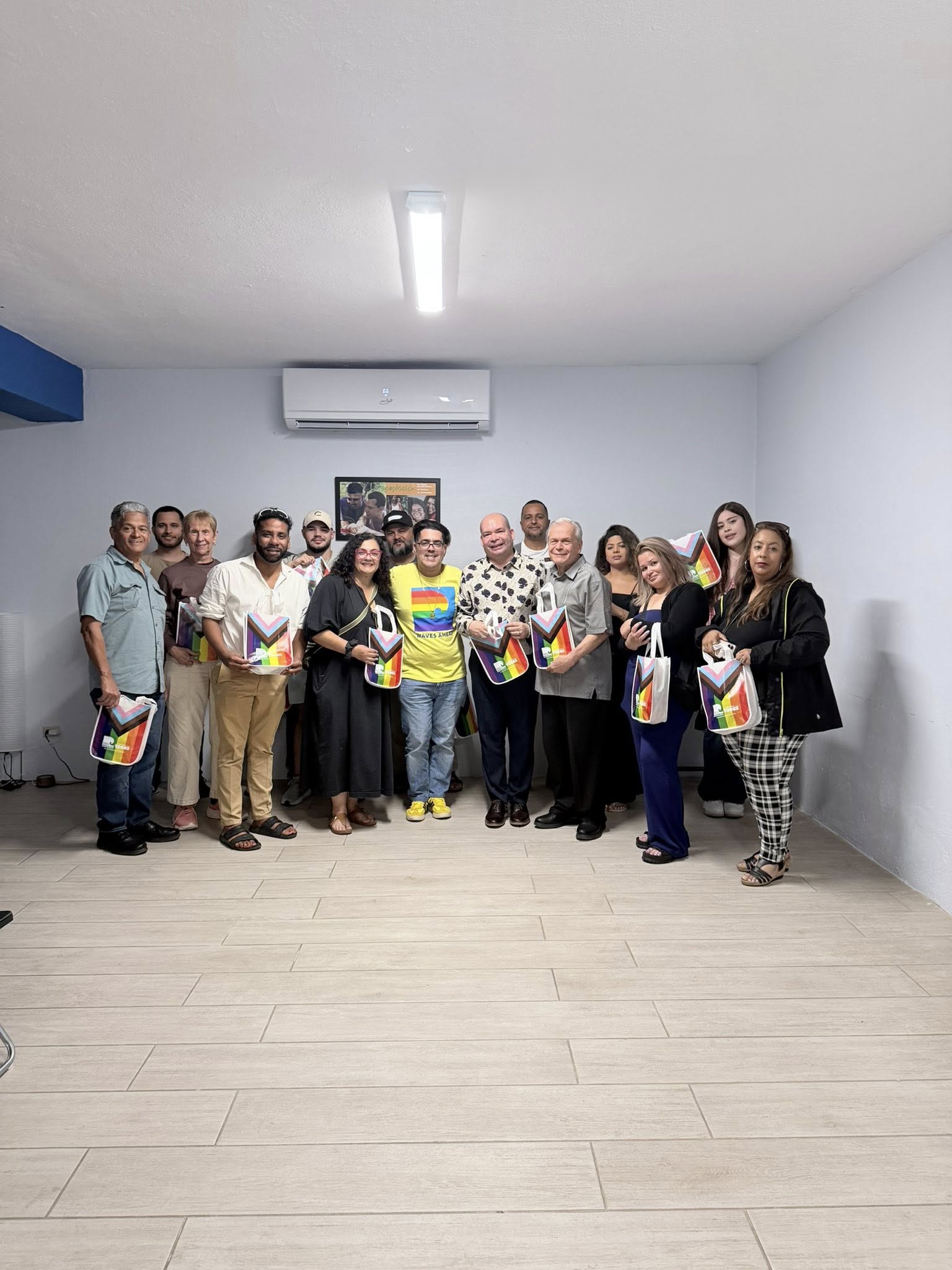
At the same time, the PRCC remained deeply engaged in solidarity work on the island. We provided financial support to Waves Ahead, Puerto Rico’s leading LGBTQ organization, Otro Puerto Rico, which is confronting gentrification in Río Piedras, and the Ceiba Research Center at the Catholic University of Puerto Rico, particularly its summer high school workshops. We also supported the completion of a well for an alternative high school in Comerío. The well will deliver fresh water from an underground stream 300 feet deep. Additionally, we hosted a successful fundraising event for Casa Pueblo’s capital campaign, raising $15,000 toward its $100,000 goal.
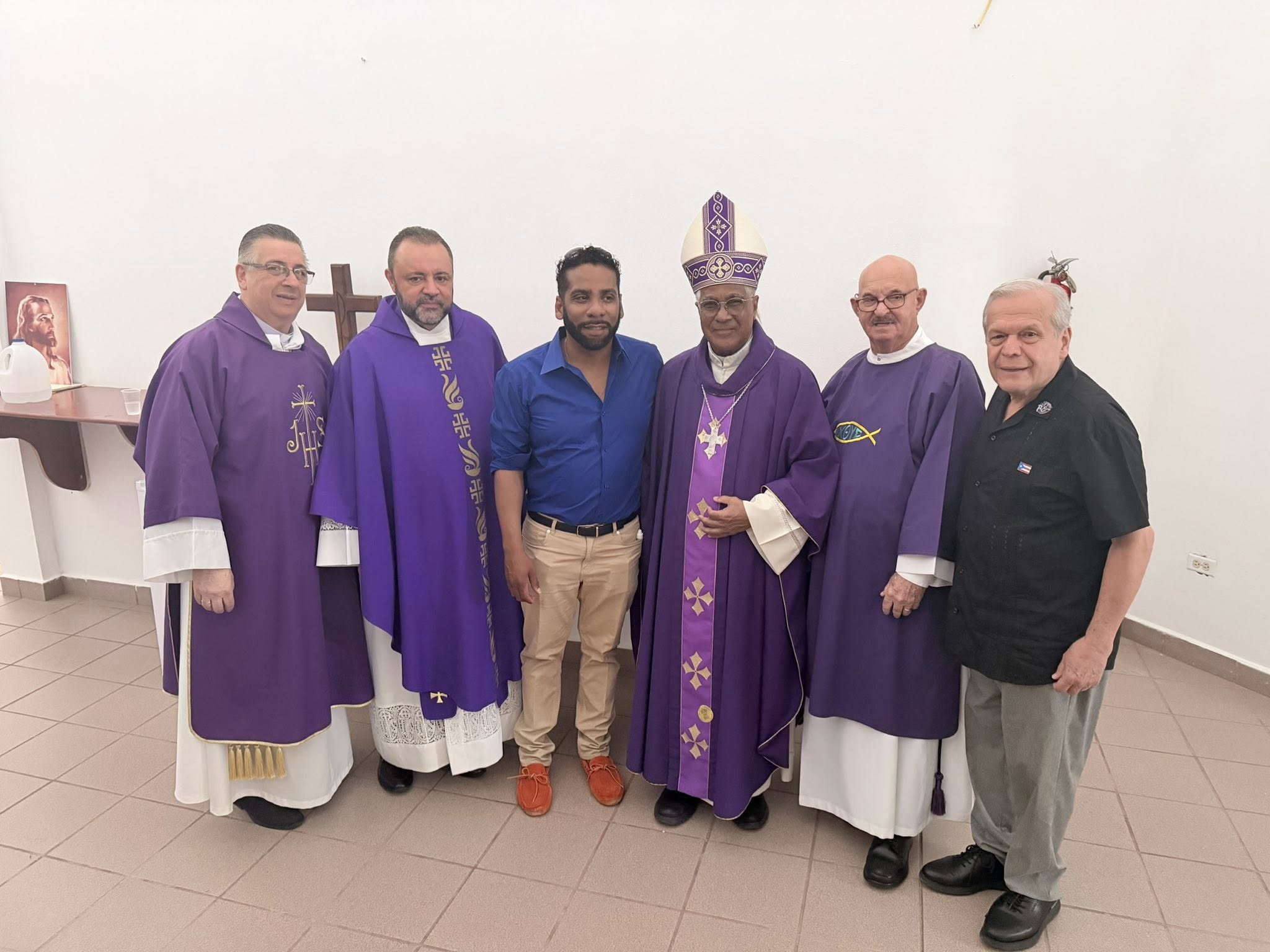
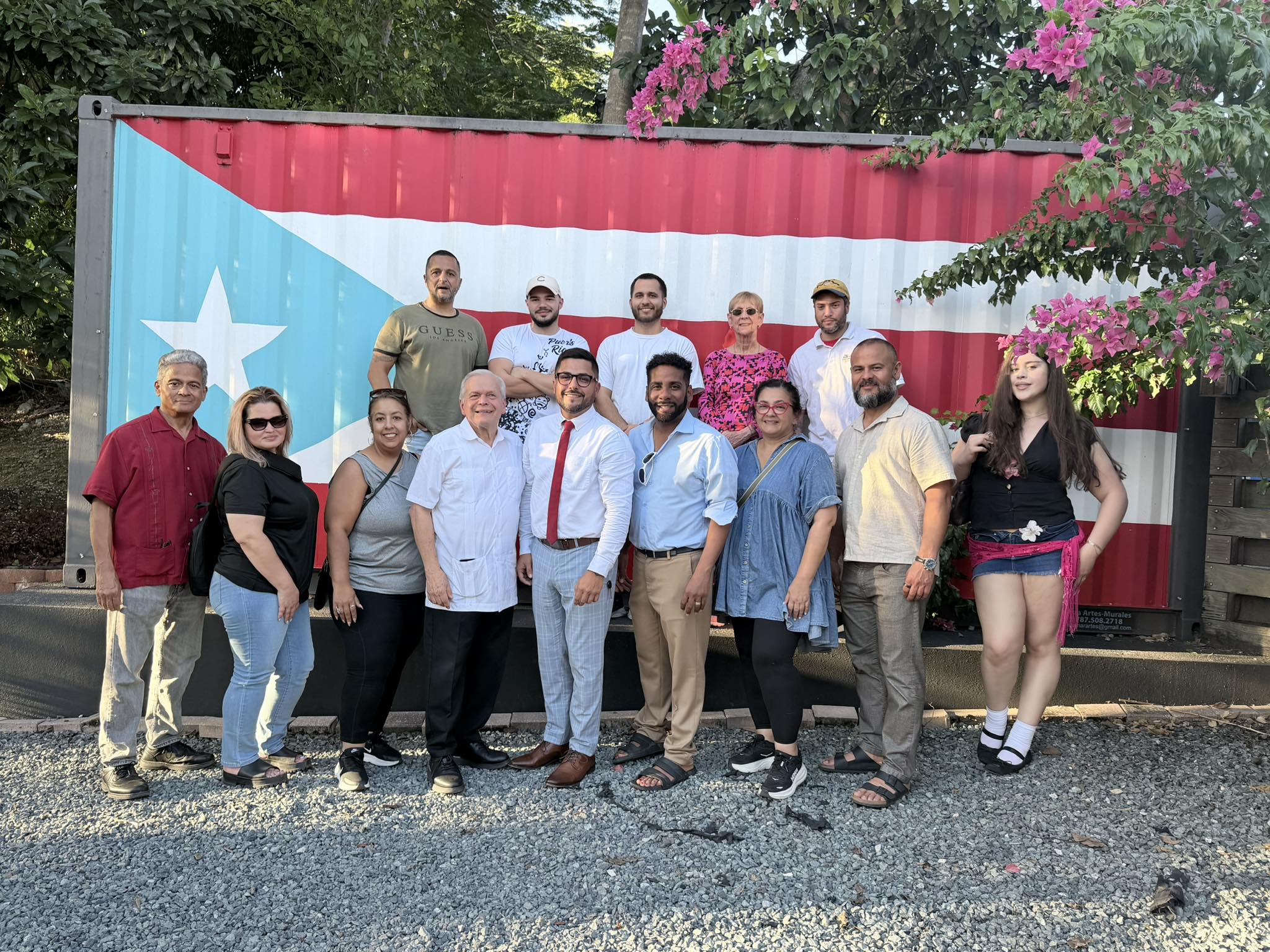
We concluded the year with an educational eco-tour to Puerto Rico, bringing 16 community members—including PRCC staff—into direct engagement with grassroots partners across Utuado, Lares, Loíza, Adjuntas, Río Piedras, Ponce, Barranquitas, Comerío, Ciales, Jayuya, and San Sebastián. Highlights included meetings with the mayors of Utuado, Lares, Loíza, and Ciales, as well as profound encounters with Dr. Ché Paralitici, patriot Heriberto Marín Torres, Bishop Eusebio Ramos Morales of Caguas, Reverend Raúl Morales Berríos, and the leadership of organizations including Concilio Taíno, Claridad, Otro Puerto Rico, Cooperativa Agro Comercial, Amazar Inc., Tejedoras, Waves Ahead, the Ceiba Research Center, and Casa Pueblo.
This experience deepened participants’ understanding of the long-standing relationships the PRCC has cultivated across eleven municipalities. It served as living testimony to decades of solidarity work linking the Diaspora and the island—work that is unmatched in both scope and depth among Puerto Rican organizations in the United States.
As we enter 2026, we do so with a clear-eyed understanding of the broader political moment. We are witnessing an alarming move in this country toward a culture of state terror in which Latinos are scapegoated—chased and arrested by ICE, or killed at sea in the Caribbean and the Pacific. In this context, the Puerto Rican Agenda convened an educational program featuring Juan González, author of Harvest of Empire, former Congressman Luis Gutiérrez, and me, to examine these realities through the lens of Latinidad—not as an identity, but as a political practice grounded in hemispheric solidarity. This analysis harkens back to Simón Bolívar’s dream of a unified Latin America articulated at the Congress of Panama in 1824, a vision undermined by the Monroe Doctrine of 1823, which declared Latin America the United States’ “backyard.”
It is within this historical framework that we must understand ICE raids, the remilitarization of Puerto Rico—particularly Vieques—and the armed attacks on boats in the Caribbean and Pacific as part of a broader project of criminalizing our people. Just as Puerto Ricans courageously confronted ICE during two incidents in Humboldt Park—at the National Museum of Puerto Rican Arts and Culture and Humboldt Health Hospital, led in part by Alderperson Jessie Fuentes—we must extend that same courage and solidarity across Latin America. As the United States seeks to reimpose the logic of Manifest Destiny, we are reminded of Eduardo Galeano’s enduring warning in The Open Veins of Latin America.
Looking ahead, we extend our deepest gratitude and warmest wishes to all our supporters for an inspiring 2026. We are especially thankful to those who contributed resources—financial and otherwise—toward the fundraising campaign for the documentary on the PRCC and Chicago’s Puerto Rican community, currently being produced by Rosa Emmanuelli and Gonzalo Mazzini. Through this effort, nearly $30,000 was raised. We enter the new year grounded in struggle and guided by hope, and we invite all our supporters to join us in a campaign culminating in a major event in Humboldt Park on July 4th: 250 Years Without Kings or Colonies.